LearnWithAICE trains economically weaker students, beginners, career switchers and working professionals in Graphic Design, Video Editing, Web Design and UI/UX — classroom or hybrid, using free and open-source tools wherever possible.
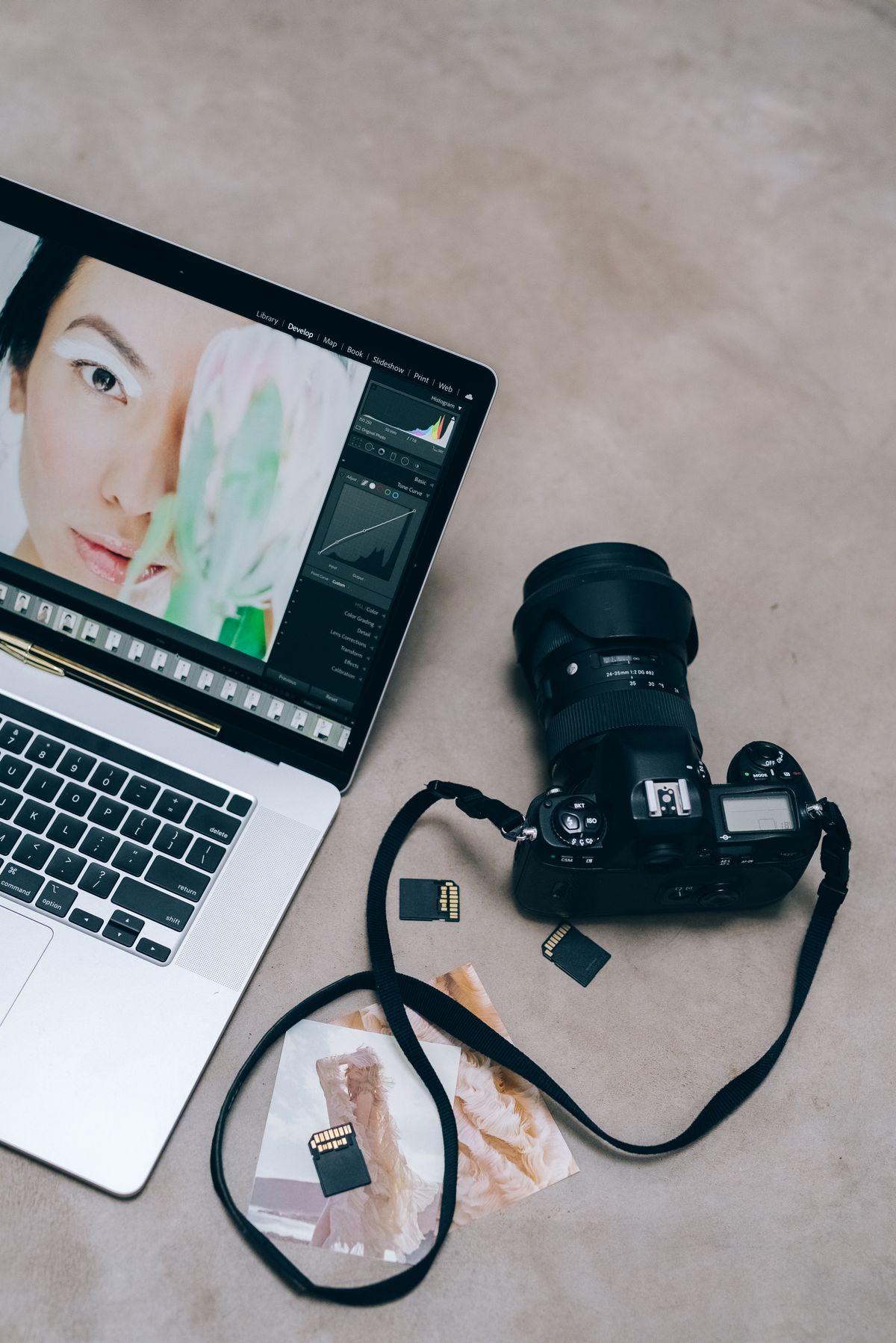
Every track runs on the same philosophy — 30% theory, 60% hands-on practice, 10% career and portfolio work — so students leave with something they can show, not just a certificate of attendance.

GIMP, Inkscape and Canva — from color theory and typography to branding, campaigns and freelance-ready portfolios.
View curriculum →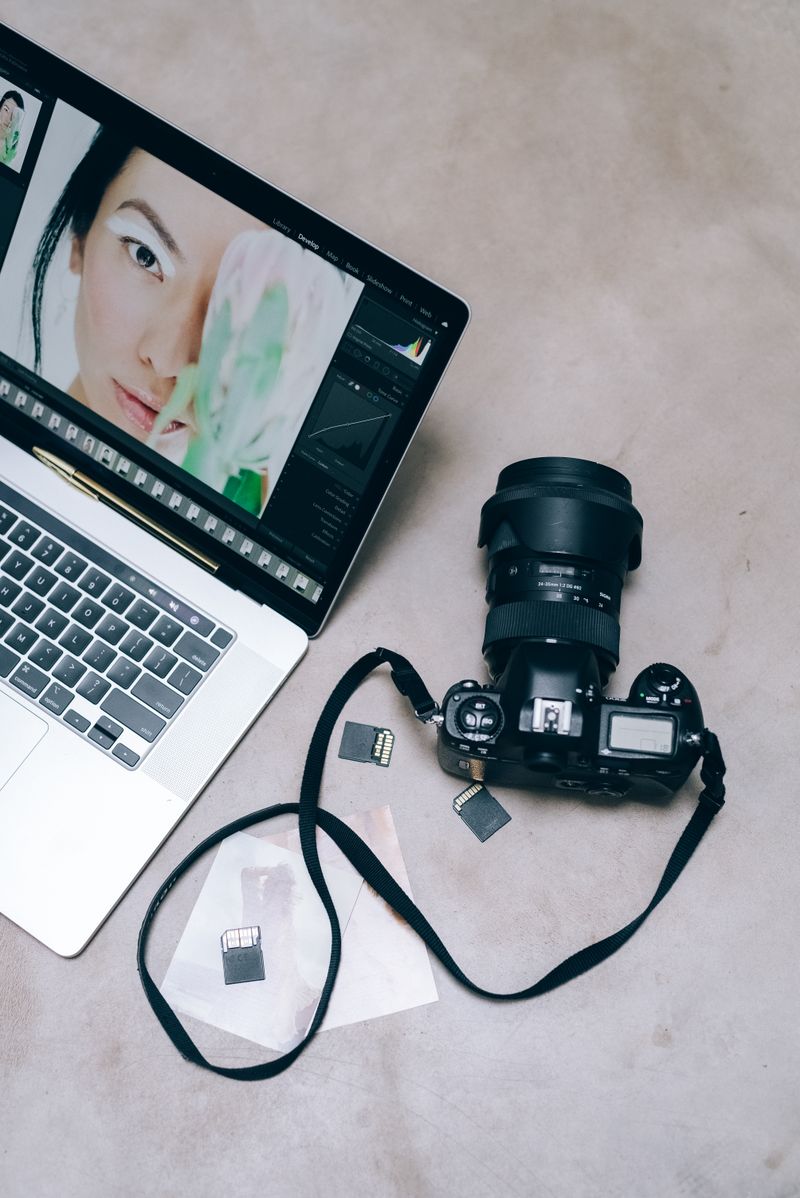
DaVinci Resolve and CapCut, then Fusion, Blender and Audacity — from first cut to a personal showreel.
View curriculum →
Figma, from wireframes and personas to design systems, accessibility and a documented case study.
View curriculum →
HTML, CSS and JavaScript through to React, WordPress and freelancing — three real final projects, not one.
View curriculum →Three stages, one consistent principle: the institute should not certify a student simply because they attended classes.
Basic computer use, files and cloud storage, online safety, professional communication, and setting up a personal portfolio folder — before any design work begins.
8 weeks, 3 sessions a week, 2 hours each. Concept, live demonstration, guided practice, independent practice and review — every single class.
10–12 weeks building client-ready work, followed by job preparation, freelance preparation and a final portfolio review before certification.


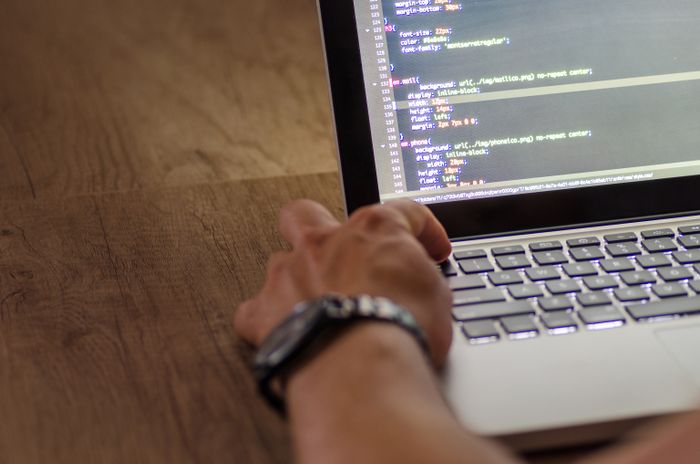
Instead of "student completed the GIMP course," a LearnWithAICE certificate means a student demonstrated the ability to create and present original design work — reviewed, critiqued and presented in a final viva.
4–6 presentable projects per track, reviewed in a final viva.
8–12 strong projects or case studies, ready for freelance clients.
60% overall, 80% attendance, and a submitted final project.
Separate certificates for Beginner and Advanced, aligned toward PMKVY / Skill India.
Job readiness and freelance readiness are built into the curriculum, not bolted on at the end.
Resume basics, portfolio presentation, interview questions, a mock interview and professional communication practice.
Understanding client requirements, writing proposals, pricing basics, handling revisions, and an introduction to Fiverr, Upwork and local clients.
Every track is built around free, open-source or free-tier software so cost is never the barrier to learning.
Every path runs Beginner into Advanced, ending in a portfolio and career-prep block.
Every project a student completes is portfolio-ready — reviewed, critiqued and presented in a final viva.
"The 60% practical model meant I had five real posters and a brand kit by week six — not just notes."
"I went from never touching a timeline to editing a 90-second ad with proper color correction."
"The freelancing week gave me the pricing and proposal basics I needed to take my first client."
Set up your email, your portfolio folder, and submit your first assignment before choosing a track.
